AI正从主要回答问题的工具,转变为能够跨情境推理、使用其他工具并协助完成复杂多步骤工作的系统。这一转变正在改变“为学业、工作及未来做好准备”的含义。
随着学生和教育工作者今年秋季重返课堂和校园,我们为ChatGPT Work和Codex推出了三款新的教育插件,专门设计用于帮助学生和教育工作者利用他们选择的课程材料和情境,发挥智能体(agentic)能力。插件是一个包含应用、角色特定技能、指令和常见工作流程的软件包,帮助学生和教育工作者无需自行构建复杂提示词即可立即上手。这些新插件可通过ChatGPT Edu和面向学区的ChatGPT for Teachers部署获得。
这建立在我们教育工作的指导原则之上:AI应支持学习,而非走捷径,最佳学习体验应让教育工作者和学生保持主导权。
帮助学生和教育工作者用AI做更多事
新插件包括一款面向大学生的、一款面向K-12(基础教育)教育工作者的,以及一款面向大学教育工作者的。通过连接他们已依赖的工具和材料,从文档、课程材料到日历及其他经批准的应用,这些插件能理解当前的情境和任务,帮助学生和教育工作者从好奇走向实践,从教案想法走向课堂材料,从项目概念走向执行。
我们一直专注于与学校和大学合作,在安全、由机构管理的环境中提供AI。2024年推出的ChatGPT Edu为教育机构提供具有企业级隐私、安全和管理控制功能的管理工作区。2025年推出的ChatGPT for Teachers(在新窗口中打开)对美国经认证的K-12教育工作者和学区免费,并提供教育级保护和合规功能。学校和学区领导可以认领其域名,将教育工作者带入一个具有更强监督和指导的共享工作区,包括支持FERPA(家庭教育权利和隐私法案)要求的保护和数据隐私协议。
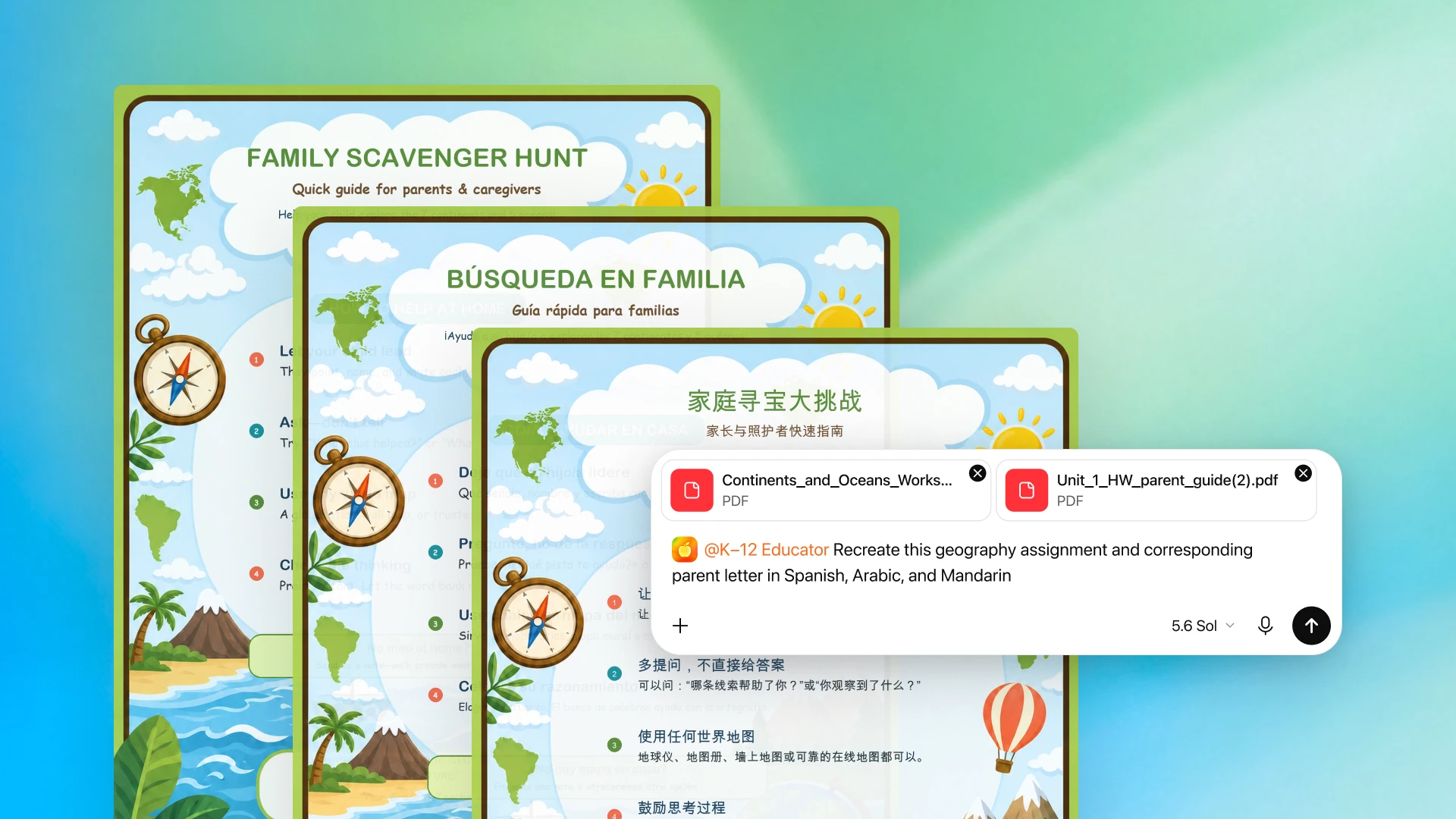
K-12教育工作者插件旨在帮助教师规划和创建课堂内容。该插件与K-12教育工作者共同开发,可与教师已使用的材料和工具配合,创建差异化资源、设计交互式视觉内容,并呈现可操作的见解。它还与Learning Commons(在新窗口中打开)集成,这是一个慈善组织,资助并构建公共AI数据集和资源,以帮助将更多学习科学引入课堂,使教师能够创建符合当地学术标准、其下的细粒度学习组件以及连接先前和后续学习的进阶路径的材料,同时保持对教学决策、评分和智能体操作的控制。
这项工作反映了我们通过与教育工作者的互动所学到的东西,包括我们与美国教师联合会(AFT)的合作。OpenAI是National Academy for AI Instruction的创始合作伙伴,这是一项为期五年的计划,旨在帮助40万名K-12教育工作者——约占美国教师的十分之一——有效使用AI,并引领塑造AI在全国课堂中的教学和使用方式。
K-12教育工作者插件
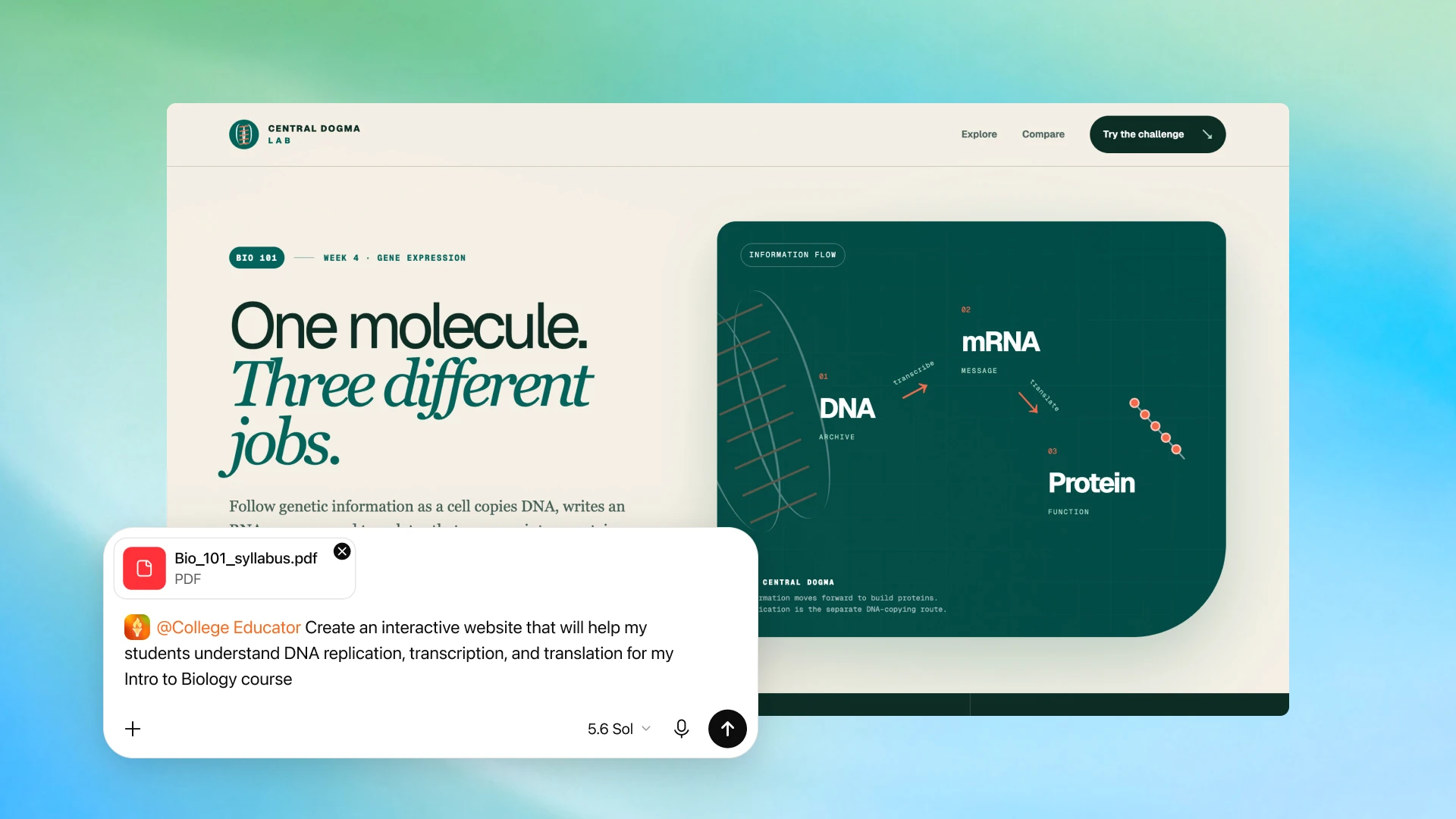
大学教育工作者插件支持课程设计、教学和学术规划。教师可以更新教学大纲、创建交互式网站或多媒体评估、为多样化学习者调整材料,或将内容打包到其LMS(学习管理系统)中。通过连接的日历、文档和其他经批准的工具,教师还可以在教学、研究和日常任务之间切换,而无需为每个新项目重新创建情境。
大学教育工作者插件
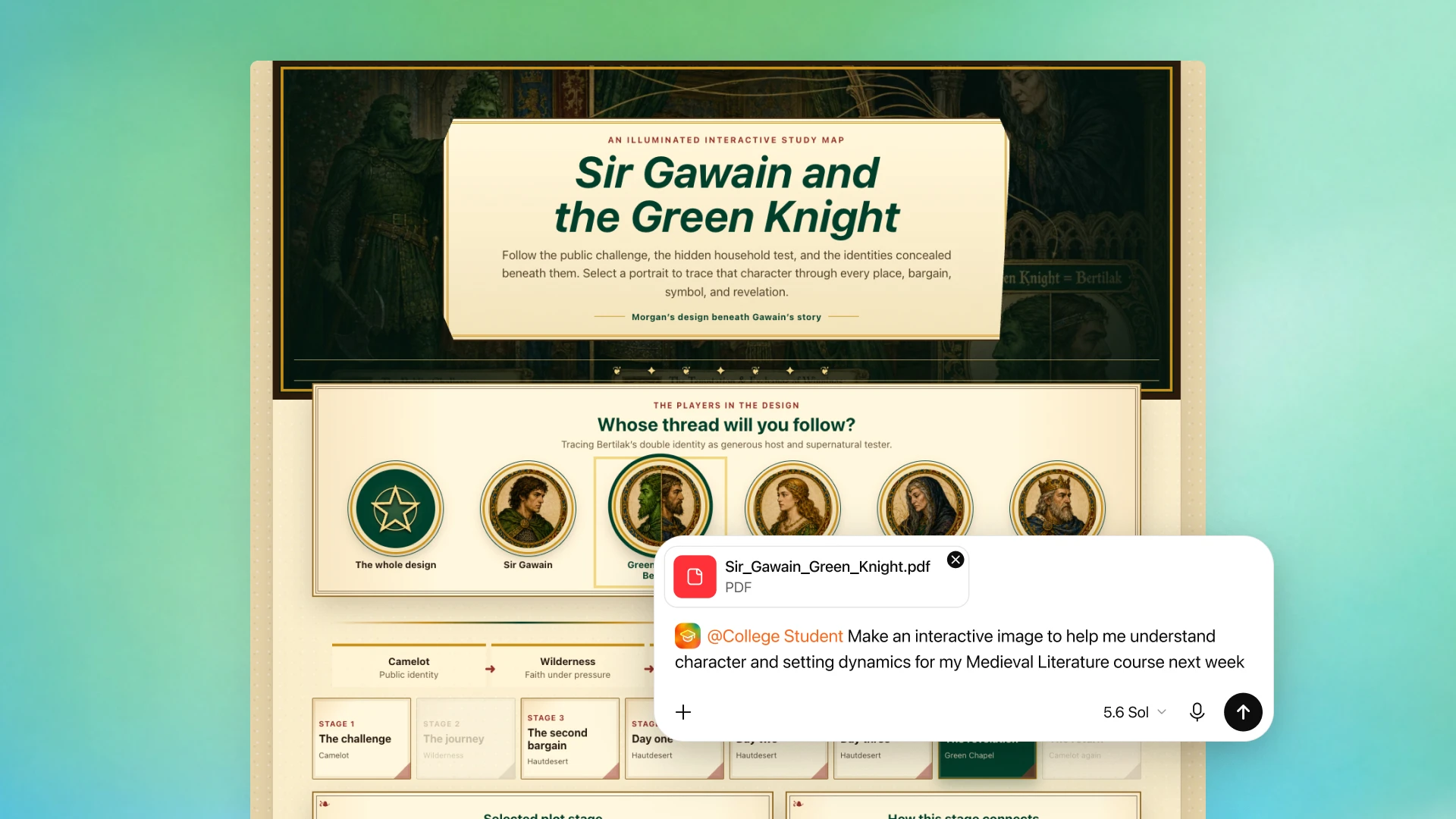
大学生插件帮助学生将他们正在学习的内容转化为更个性化的学习体验。学生可以与引导式导师合作,练习困难概念,并根据自己选择的来源创建学习指南、测验、闪卡和交互式视觉讲解。该插件与来自不同专业、地域和AI熟练程度的大学生共同设计,利用学习科学优先考虑更深层次的理解并培养更强的学习习惯。
这些插件共同为学生和教育工作者提供了一个更有用的AI工作起点,通过整合正确的情境、工具和工作流程,让他们花更少的时间设置ChatGPT的工作方式,更多的时间用于学习、教学、研究和创造,同时机构保留对可用工具和权限的控制。
大学生插件
共5张中的第1张
确保教育中的AI使用带来机遇
随着AI能力的增强,教育领域的机遇不仅仅是帮助人们学习如何使用新技术。它更在于帮助学生培养自主性(agency):即引导这些工具实现有意义目标的能力,运用判断力,持续学习,解决难题,并将想法转化为现实。
目前,每周有超过2亿名18-24岁的年轻人使用ChatGPT,使他们成为较强的主流用户群体之一。然而,在大学生年龄段的用户中,我们观察到全球范围内“能力过剩”(capability overhang)现象正在扩大,即AI工具能做什么与人们实际如何使用之间的差距。即使是高级学生用户,其对ChatGPT能力的利用程度也比重度用户低约90-99%,这表明深化AI技能仍有巨大空间。
结构化访问有助于缩小这一差距。在ChatGPT Edu的部署中,学生随时间推移会形成更高级的使用模式,在几乎所有能力上都超越免费用户,并更接近高级用户行为,尤其是在分析、计算和学习方面。自2024年ChatGPT Edu推出以来,我们已与K-12学校和学区合作,包括德克萨斯州休斯顿独立学区、弗吉尼亚州费尔法克斯县、佐治亚州富尔顿县,以及数百所学院和大学校园,如宾夕法尼亚大学沃顿商学院、德克萨斯大学奥斯汀分校和加州州立大学系统,负责任地将AI部署给教师和校园。
通过我们在教育领域的投资,K-12和高等教育领域的数十万名教育工作者可以免费使用OpenAI工具、培训和研究资源,以促进公平和创新。现在,我们正在推出新功能,以支持教师和学生更好地利用ChatGPT的全部能力。
与合作伙伴共同扩大访问和实际支持
前沿技术需要与教育专用工作空间、培训、同伴主导项目、严谨研究以及值得信赖的合作伙伴相结合,以建立负责任地利用新能力的信心。
对于大学生,新的OpenAI学生集体是一个由学生主导的社区,旨在学习、构建和塑造AI的未来。申请现已开放,学生可以成为校园负责人,将社区带入校园生活。通过同伴主导的体验和动手项目,学生可以培养实用技能并将想法付诸实践。此外,通过与Handshake等平台的合作,大学生可以将这些技能与实习和早期职业机会联系起来。
OpenAI学院与沃尔顿家族基金会合作,汇聚了美国八个城市的1600多名K-12教师、管理人员和学区负责人,参加免费的面对面实践工作坊,以培养将AI应用于真实课堂挑战的实用技能。
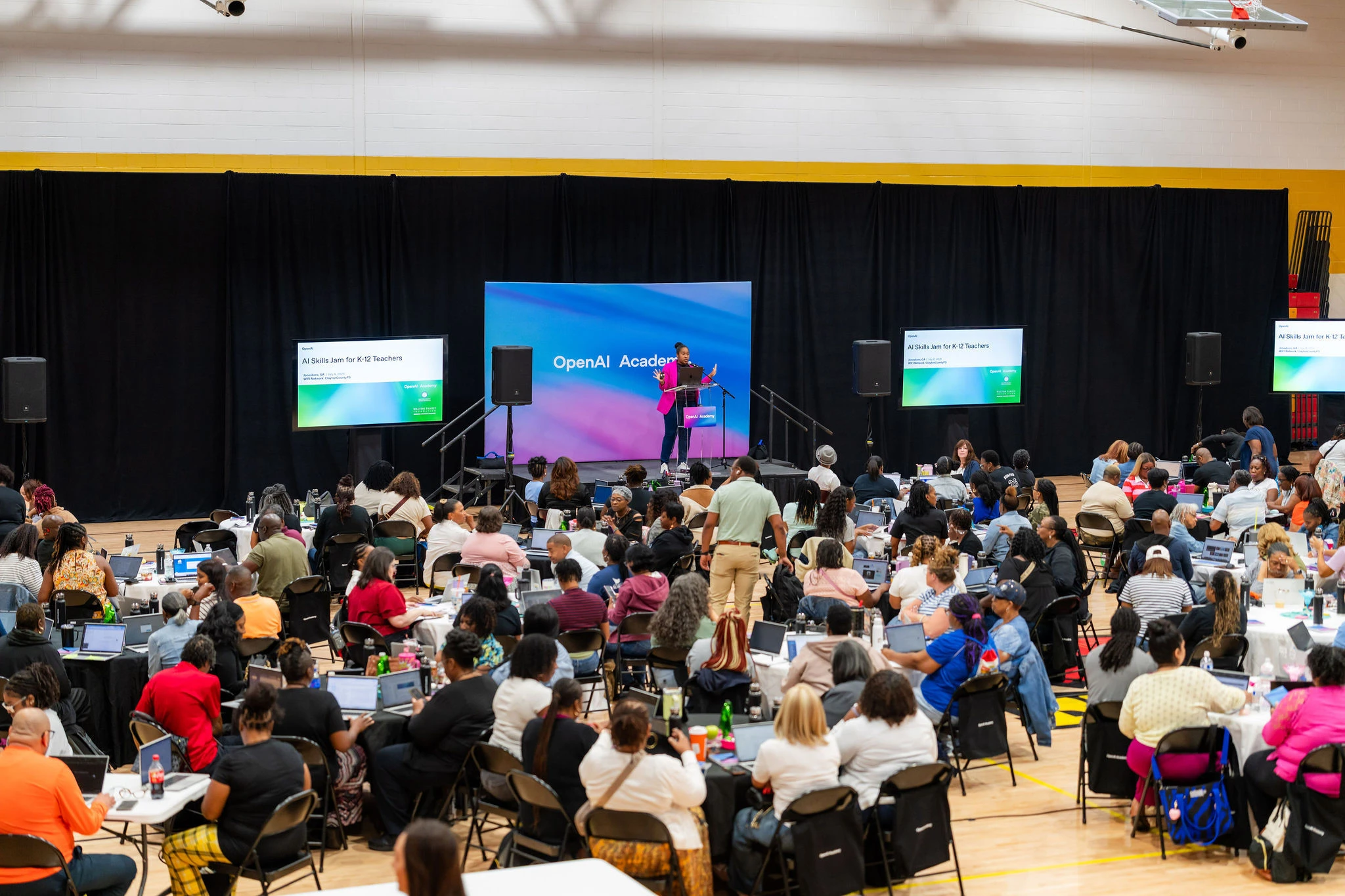
佐治亚州琼斯伯勒的OpenAI K-12教师工作坊
通过OpenAI的国家教育计划,我们与政府和国家领导人合作,开发适合当地需求和循证研究的部署方案。例如,在爱沙尼亚,ChatGPT Edu现已覆盖超过20,000名学生和4,600名教师,同时与塔尔图大学和斯坦福大学开展纵向研究项目。
学术研究也是高等教育使命的核心,前沿AI正在为科学发现开辟新的可能性。新的面向学术研究者的ChatGPT项目为符合条件的研究人员提供12个月的免费Pro级访问权限,以便在安全的工作空间中将ChatGPT Work和Codex应用于雄心勃勃的科学工作。
未来一年
AI在教育领域的下一篇章将由学生创造的内容、教育工作者实现的可能性以及机构和合作伙伴共同发现的内容所塑造。在整个学年中,我们将继续与教育社区携手共建,推进新工具、扩展培训和研究,并提供基于证据的见解。我们的共同目标是赋予每位学生和教育工作者信心和能力,以拓展他们可以学习、想象、创造和实现的一切。
教育工作者和学生插件现已在ChatGPT Edu和面向教师的ChatGPT学区部署中提供。联系我们的团队了解更多信息。
AI is moving from tools that primarily answer questions to systems that can reason across context, use other tools, and help carry out complex, multi-step work. That shift is changing what it means to be prepared for school, work, and what comes next.
As students and educators return to classrooms and campuses this fall, we’re introducing three new education plugins for ChatGPT Work and Codex, specifically designed to help students and educators leverage agentic capabilities using the course materials and context they choose. A plugin is a package of apps, role-specific skills, instructions, and common workflows that helps students and educators get started immediately without having to construct complex prompts on their own. These new plugins are available through both ChatGPT Edu and ChatGPT for Teachers district deployments.
This builds on the principle that guides our work in education: AI should support learning, not shortcut it, and the best learning experiences keep educators and students in control.
Helping students and educators do more with AI
The new plugins include one for college students, one for K–12 educators, and one for college educators. By connecting to the tools and materials they already rely on, from documents and course materials to calendars and other approved apps, the plugins understand the context and task at hand and help students and educators move from curiosity to practice, lesson idea to classroom material, and project concept to execution.
We have been focused on partnering with schools and universities to make AI available in secure, institution-managed environments. Introduced in 2024, ChatGPT Edu gives educational institutions managed workspaces with enterprise-level privacy, security, and administrative controls. ChatGPT for Teachers(opens in a new window), introduced in 2025, is free for verified U.S. K–12 educators and districts and offers education-grade protections and compliance features. School and district leaders can claim their domain to bring educators into a shared workspace with greater oversight and guidance, including protections to support FERPA requirements and a data privacy agreement.
The K–12 Educator plugin is designed to help teachers plan and create for their classrooms. Developed alongside K–12 educators, it can work with the materials and tools teachers already use to create differentiated resources, design interactive visuals, and surface actionable insights. It also integrates with Learning Commons(opens in a new window), a philanthropic organization that funds and builds public AI datasets and resources to help bring more learning science into classrooms, which allows teachers to create materials aligned to local academic standards, the granular learning components beneath them, and the progressions that connect prior and future learning, while remaining in control of pedagogical decisions, grading, and agentic actions.
This work reflects what we’ve learned through our engagement with educators, including our partnership with the American Federation of Teachers (AFT). OpenAI is the founding partner in the National Academy for AI Instruction, a five-year initiative to equip 400,000 K–12 educators—about one in every 10 teachers in the US—to use AI effectively and lead the way in shaping how AI is taught and used in classrooms across the country.
K–12 Educator plugin
The College Educator plugin enables course design, teaching, and academic planning. Faculty can update syllabi, create interactive websites or multimedia assessments, adapt materials for diverse learners, or package content for their LMS. With connected calendars, documents, and other approved tools, instructors can also work across teaching, research, and everyday tasks without having to recreate the context for each new project.
College Educator plugin
The College Student plugin helps students turn what they are already studying into more personalized learning experiences. Students can work with a guided tutor, practice difficult concepts, and create study guides, quizzes, flashcards, and interactive visual explanations from the sources they choose. Designed with university students across majors, geographies, and levels of AI fluency, the plugin draws on learning science to prioritize deeper understanding and build stronger study habits.
Together, these plugins give students and educators a more useful starting point for working with AI by bringing the right context, tools, and workflows together so they can spend less time setting up how ChatGPT should work and more time learning, teaching, researching, and creating, while institutions retain control over which tools and permissions are available.
College Student plugin
1 of 5
Ensuring AI use in education leads to opportunity
As AI becomes more capable, the opportunity for education is bigger than simply helping people learn how to use a new technology. It is helping students develop agency: the ability to direct these tools toward meaningful goals, exercise judgment, learn continuously, solve hard problems, and turn ideas into something real.
More than 200 million young adults ages 18–24 now use ChatGPT every week, making them some of the stronger mainstream users. However, among college-age users, we see a widening global “capability overhang,” defined as the gap between what AI tools can do and how people actually use them. Even advanced student users leverage ChatGPT’s capabilities roughly 90–99% less than power users, pointing to significant room to deepen AI skills.
Structured access can help close that gap. Across ChatGPT Edu deployments, students develop more advanced patterns of use over time, outperforming free users across nearly every capability and moving closer to power-user behavior, particularly in analysis, calculation, and learning. Since the launch of ChatGPT Edu in 2024, we have partnered with K–12 schools and districts including Houston ISD, Texas; Fairfax, Virginia and Fulton, Georgia and hundreds of college and university campuses, including the Wharton School of the University of Pennsylvania, The University of Texas at Austin, and the California State University system to responsibly deploy AI to teachers and campuses.
Through our investments in education, hundreds of thousands of educators across K**–**12 and higher education have free access to OpenAI tools, training, and research to advance equity and innovation. Now, we’re delivering new features to support teachers and students to better leverage the full capabilities of ChatGPT.
Expanding access and practical support with partners
Frontier technology needs to be paired with education-specific workspaces, training, peer-led programs, rigorous research, and trusted partners to build the confidence to leverage new capabilities responsibly.
For college students, the new OpenAI Student Collective is a student-led community for learning, building, and shaping what’s next with AI. Applications are now open for students to become Campus Leads and bring the community to life on their campuses. Through peer-led experiences and hands-on projects, students can develop practical skills and put their ideas into practice. And, through partnerships with platforms like Handshake, college students can connect those skills to internships and early-career opportunities.
In partnership with the Walton Family Foundation, OpenAI Academy is bringing together more than 1,600 K–12 teachers, administrators, and district leaders across eight U.S. cities for free in-person, hands-on workshops for building practical skills for applying AI to real classroom challenges.
OpenAI K–12 Teacher Jam in Jonesboro, Georgia
Through OpenAI Education for Countries, we work with governments and national leaders to develop deployments designed for local needs and evidence-based research. In Estonia, for example, ChatGPT Edu now reaches more than 20,000 students and 4,600 teachers alongside a longitudinal research initiative with the University of Tartu and Stanford.
Academic research is also central to the mission of higher education, and frontier AI is opening new possibilities for scientific discovery. The new ChatGPT for Academic Researchersprogram gives eligible researchers 12 months of free Pro-level access to apply ChatGPT Work and Codex to ambitious scientific work in a secure workspace.
The year ahead
The next chapter of AI in education will be shaped by what students create, what educators make possible, and what institutions and partners discover together. Throughout the school year, we’ll keep building alongside the education community to advance new tools, expand training and research, and deliver evidence-based insights. Our shared goal is to empower every student and educator with the confidence and capabilities to expand what they can learn, imagine, create, and achieve.
The educator and student plugins are available in ChatGPT Edu and ChatGPT for Teachers district deployments. Contact our teamto learn more.
本文内容采集自官方网站,排版和翻译可能与原页面存在差异。
阅读官方全文